
The Same Company Selling AI Images Just Told You to Trust Real Ones More
This week, AI stopped being background noise and became the headline. Anthropic’s CEO published an essay calling on the industry to slow down. OpenAI’s CEO agreed publicly and pushed the company’s IPO back to 2027 over safety concerns. When the people building this technology start asking everyone else to pump the brakes, it’s worth paying attention.
I’m not going to pretend I have some inside take on AI safety policy. That’s above my pay grade. But there’s a piece of this conversation that lands directly on my desk, and probably yours too.


Getty Images – yes, the same company that now sells generative AI tools alongside its stock photo library – put out a research report this year called “Building Trust in the Age of AI.” The findings are a little awkward for a company in that position.
98% of consumers say authentic images and video are what actually build trust in a brand.
87% say it matters to them whether an image is real.
Nearly 9 in 10 want to know, flat out, whether what they’re looking at was generated or captured.
That last one is the part I keep coming back to. People don’t need AI-generated content to be banned. They just don’t want to be fooled by it.
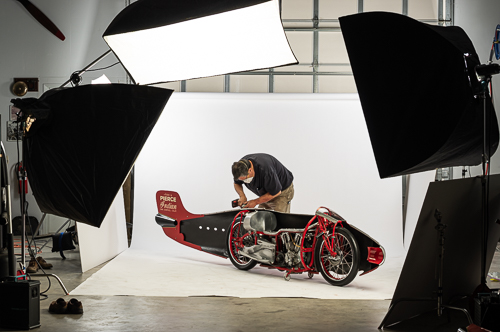
Here’s the part that applies directly to marketing and comms: Getty’s own research found people trust an image more when they know it came from a professional – a photographer, an artist, someone whose name is attached to the craft. Not a prompt. That’s not a nostalgic take on photography. That’s their data, from a company that would benefit if the opposite were true.
So here’s the business logic, plain and simple. As generative images get cheaper and easier to produce, the ones that are obviously, verifiably real get more valuable, not less. Not because AI is bad. Because scarcity works the way it always has. When everyone can generate a photo of “a happy team in an office” in ten seconds, the brand that shows their actual team, on an actual day, at an actual desk, is the one that reads as credible.
That matters most for companies whose whole pitch depends on being trusted -energy, financial services, healthcare, anyone whose customers are already primed to be skeptical. If your visual content starts looking interchangeable with something a tool spit out, you’ve quietly handed away the one thing that was working in your favor.
I’ll be honest about something: I haven’t had this exact conversation with a client yet. This is new enough that most people haven’t started asking the question out loud. But I think that’s about to change, and I’d rather be having this conversation with you now than reacting to it later.
I want to know what you’re actually seeing on your end, not just what a report says.
Tell me: has AI-generated content come up in your marketing conversations yet, or is this still theoretical for your team? I’m genuinely curious where different companies are landing on this, and I’d like to compare notes.