
Industrial Photography in Houston
DNB Productions provides safe, professional, and technically precise industrial photography services across refineries, manufacturing plants, fabrication facilities, and other heavy industrial environments
Our Houston-based team operates in full compliance with site safety standards and regulatory protocols to capture accurate, high-quality visual documentation of ongoing operations.


Industrial Photography Services We Offer
Our team operates safely and efficiently within active industrial environments, including refineries, fabrication shops, manufacturing floors, and heavy industrial sites.
We follow all required PPE standards, site orientations, escorts, JSAs, toolbox talks, confined-space requirements, and EHS protocols. Coordination is maintained with supervisors and safety teams to ensure controlled, compliant operations during all photography activities.
On-Site Industrial Photography
For active operations, night shifts, shutdowns, and turnarounds.
- Coverage of live workflows in refineries, chemical plants, fabrication yards, and manufacturing floors.
- Experience working around live equipment, hot work zones, heavy lifts, and restricted-access areas.
- Coordinated shooting during shutdowns, turnarounds, and maintenance activities.
Construction & Project Progression Photography
For long-term builds, expansions, and field execution.
- Ground-level documentation of civil, mechanical, and structural progress.
- Tracking contractor activity, sequencing, and milestone verification.
Oil, Gas & Energy Sector Photography
Refineries, midstream, offshore support yards, petrochemical plants.
- Detailed imagery of process units, tank farms, pipe racks, compressor stations, and control rooms.
- Familiarity with working near pressurized systems, live lines, and controlled-access areas.
Manufacturing, Fabrication & Logistics Photography
Production floors, heavy fabrication shops, assembly lines, and distribution centers.
- Documentation of workflow processes, equipment operation, material handling, and QC procedures.
- Hands-on experience shooting in welding bays, machining areas, high-noise zones, and forklift traffic paths.
Industrial Product & Equipment Photography
Machinery, tools, components, packaged systems, and engineered products.
- On-site or controlled-lighting photography of equipment in place or staged.
- Detail-focused images for catalogs, user manuals, engineering references, and published materials.
- Experience with photographing large, heavy, or specialized equipment in industrial conditions.g
Corporate, Workforce & Safety Culture Photography
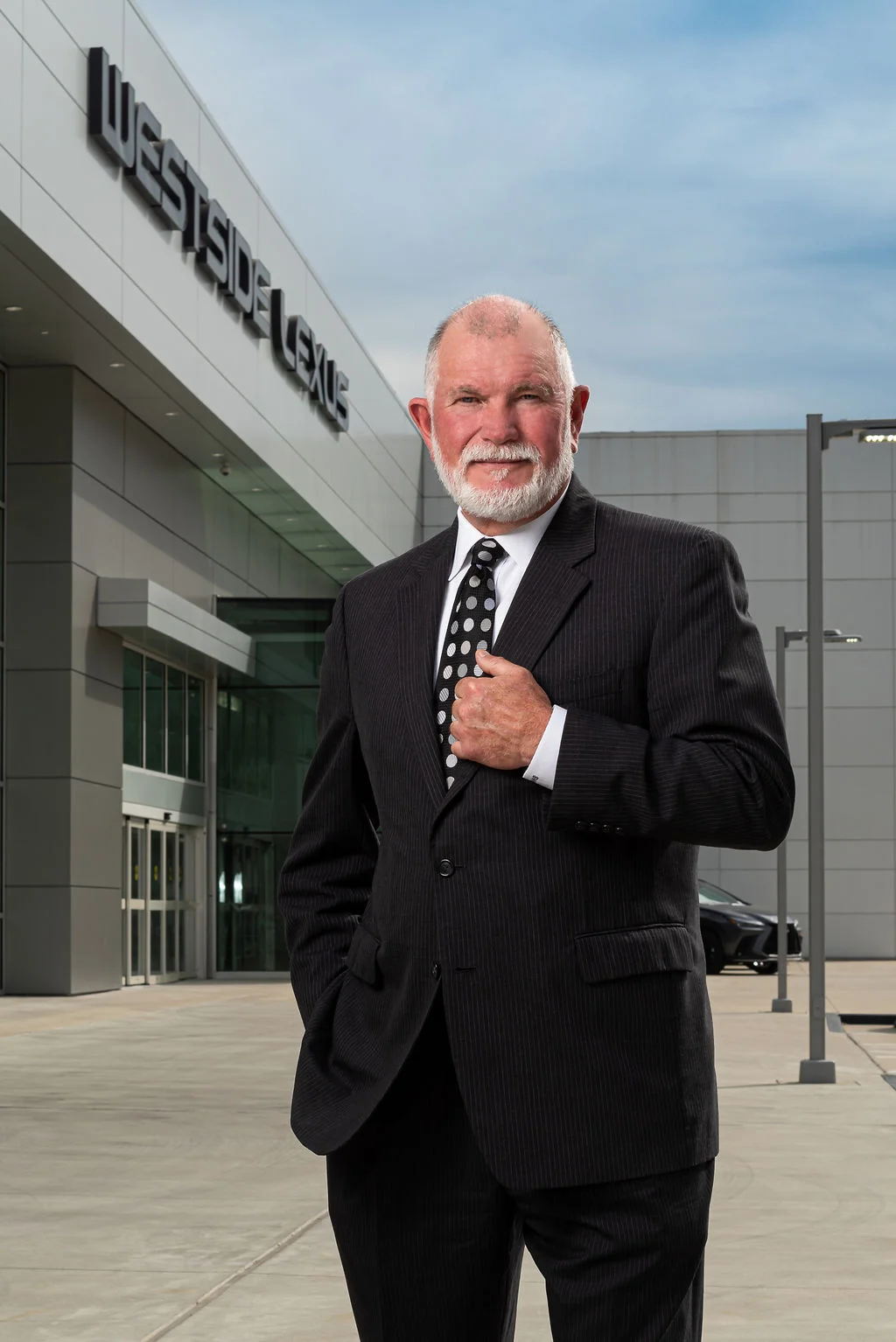
- Professional portraits, crews-in-action, and authentic day-in-the-life coverage.
- Emphasis on PPE compliance and adherence to established safety procedures.
All images are delivered in formats suitable for documentation, reporting, training, and external publication.
Our Process
Our workflow ensures compliance with site safety standards and operational efficiency at every stage of the project.
Step 1. Pre-Job Coordination
Project objectives, access requirements, PPE needs, and EHS procedures are reviewed and confirmed in advance with site supervisors.
Step 2. On-Site Execution
All team members complete required safety orientations, check in with site escorts or supervisors, and operate within approved work zones while maintaining compliance with live-site protocols.
Step 3. Editing and Post-Production
Captured images are processed for clarity, accuracy, and visual consistency according to documentation or reporting needs.
Step 4. Final Delivery
Files are delivered through an organized online gallery in ready-to-use formats within 3 to 5 business days. Ongoing coverage can be scheduled for multi-phase or turnaround projects.
Industries We Serve
DNB Productions provides industrial photography services across multiple sectors in Houston and surrounding areas. Here are the industries we work with:
Construction
Industrial, commercial, and civil projects, including night shifts, crane operations, and heavy-equipment movement.
Manufacturing
Fabrication floors, assembly lines, machining operations, and production areas.
Logistics and Transportation
Warehouses, distribution centers, shipping hubs, and freight operations.
Energy and Utilities
Power plants, renewable energy sites, substations, and infrastructure facilities.
Engineering and Industrial Services
Field operations, inspections, commissioning, and specialized equipment use.
Maritime and Offshore
Ports, terminals, vessels, and offshore operations.
Technology and Automation
Robotics, automated manufacturing lines, control systems, and technical installations.
Oil & Gas
Refineries, petrochemical plants, compressor stations, tank farms, pipeline corridors, and turnaround sites.
Client Feedback
Frequently
Asked
Questions
How long does an industrial photography shoot take?
Shoot duration depends on facility size, access requirements, escort availability, and operational constraints. Smaller shoots may take a few hours, while larger sites or turnaround work may require a half or full day.
Do you provide upfront pricing?
Yes. Pricing is transparent and provided in advance. Each project is quoted based on a session minimum, the number of participants, and any optional add-ons or access requirements. You receive a clear, itemized quote before scheduling, with no hidden costs.
Can you shoot during night shifts or off-hours?
Yes. We regularly work during night shifts, shutdowns, turnarounds, and off-hour windows. Access and timing are coordinated with supervisors and EHS teams.
Can you provide both photos and video?
Yes. We offer industrial photos, video, facility walk-throughs, process coverage, and drone footage coordinated with licensed pilots.
What should workers wear for industrial photos?
Workers should wear site-required PPE such as FR clothing (if needed), hard hats, safety glasses, gloves, and steel-toe boots. Company-branded gear creates a clean, consistent appearance.
How do we prepare your site for an industrial photography session?
We coordinate in advance with supervisors to confirm access points, safety requirements, and timing so photography proceeds efficiently without disrupting operations.