
Corporate Headshot Photography Tips: The Complete Professional Guide
For great corporate headshots, focus on preparation. Choose the right outfit, groom well, and get proper rest. Pay attention to posing. Keep your chin slightly forward and down with a relaxed posture. Use soft, even, shadow-free lighting. Aim for an expression that feels genuine and approachable. Work closely with your photographer so the final images align with your personal or company brand.
To achieve that impact, it is important to understand not just how a headshot looks, but why it exists and how it is created.
This guide walks through every stage of the process, from purpose and planning to execution and delivery.
What Are Corporate Headshots?
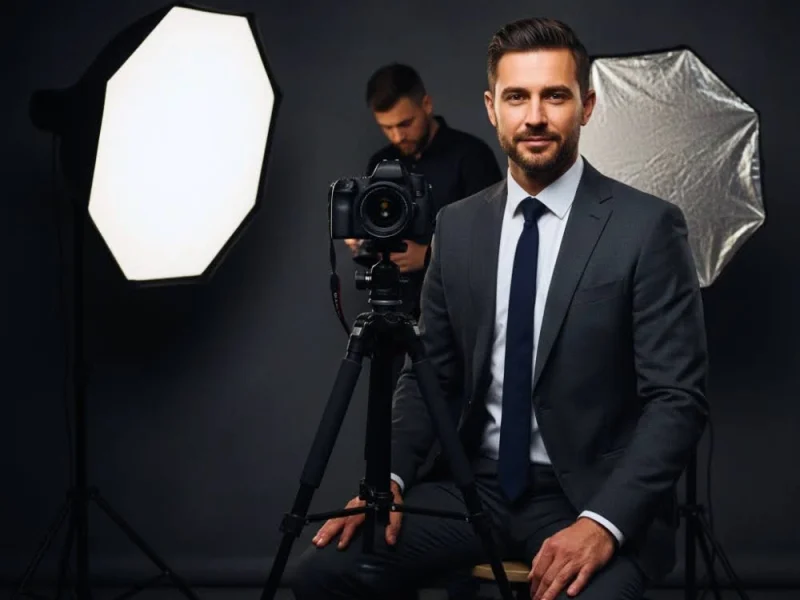
Corporate headshots are professional portrait photographs used to represent individuals and teams in a business setting. They are designed to communicate professionalism, credibility, and approachability at a glance.
These headshots are commonly used on company websites, LinkedIn profiles, marketing materials, press releases, and internal systems. Unlike casual portraits, corporate headshots follow a clean and intentional style that aligns with a company’s brand and industry standards.
A strong corporate headshot reflects how a person wants to be perceived professionally. It shows confidence, trustworthiness, and competence while maintaining consistency across an organization. Whether photographed in a studio or at the workplace, corporate headshots serve as a visual extension of both personal and corporate identity.
Understanding the Purpose of Corporate Headshots
Before picking up a camera, it is essential to understand why the headshot is being created. Corporate headshots serve different purposes depending on the industry, role, and brand identity, as given below:
- Professional credibility: Executives, consultants, and legal professionals often require clean, authoritative portraits.
- Approachability: Tech startups, creative agencies, and service-based businesses may prefer a relaxed, friendly tone.
- Brand consistency: Companies often want uniform headshots across teams to maintain a cohesive visual identity.
Clarifying the intended use, LinkedIn profiles, company website, media kits, or internal platforms, will guide decisions on styling, framing, background, and lighting.
Planning and Pre-Shoot Preparation
Once the purpose and intended use of the headshots are clearly defined, the next step is thorough planning. Successful corporate headshots begin well before the shoot day. Preparation saves time, reduces stress, and ensures consistent results. The following key steps outline how to effectively prepare for a smooth and professional corporate headshot session.
Define the Visual Style
Decide whether the look should be formal, modern, creative, or minimalist. This includes:
- Background (plain, office environment, or branded colors)
- Lighting style (high-key, low-key, natural light)
- Framing (tight headshot vs. head-and-shoulders)
Coordinate with the Client or Company
For team or corporate-wide sessions, align with HR or marketing teams to establish guidelines. Provide a clear brief covering wardrobe suggestions, grooming expectations, and image usage.
Create a Shot List
For larger sessions, prepare a structured schedule and shot list to ensure efficiency and consistency. This is especially important for photographing executives or large teams within limited time slots.
Choosing the Right Equipment
Once planning is complete, selecting the appropriate equipment ensures reliability, consistency, and high-quality results during the session. The following equipment considerations outline the essential tools needed to achieve consistent, professional-quality corporate headshots
Camera
A DSLR or mirrorless camera with good dynamic range and color accuracy is ideal. Full-frame cameras are preferred, but APS-C cameras can also deliver excellent results.
Lenses
- Prime lenses (50mm, 85mm): Ideal for flattering facial compression and sharpness.
- Zoom lenses (24–70mm): Useful for flexibility during fast-paced corporate sessions.
Avoid wide-angle lenses, as they can distort facial features.
Tripod
Using a tripod ensures consistency in framing, especially when photographing multiple employees in the same setup.
Lighting Gear
- Studio strobes or continuous lights
- Softboxes or umbrellas for soft, flattering light
- Reflectors for fill and balance
Lighting Techniques for Corporate Headshots
Lighting is the most critical technical element of corporate headshot photography. The goal is to create clean, flattering, and professional illumination. The following lighting techniques outline how to achieve clean, flattering, and professional results for corporate headshots.
Natural Light
Window light can work beautifully for modern corporate portraits. Position the subject facing a large window, using sheer curtains to diffuse harsh sunlight.
Studio Lighting
A classic and reliable setup includes:
- Key light: Softbox placed at a 45-degree angle to the subject
- Fill light or reflector: To soften shadows
- Hair or rim light: To separate the subject from the background
Avoid Common Lighting Mistakes
- Harsh overhead lighting that creates deep shadows
- Uneven lighting across the face
- Strong shadows under the eyes or chin
Consistency is key when shooting teams; use the same lighting setup throughout.
Background Selection and Composition
The background should support the subject, not distract from it. The following background and composition considerations help ensure the subject remains the clear focus of the image.
Popular Background Choices
- Solid neutral colors: White, gray, or black for timeless professionalism
- Environmental backgrounds: Offices, conference rooms, or blurred workspaces
- Branded backgrounds: Company colors or subtle logos
Depth of Field
Use a wide aperture (f/2.8–f/4) to softly blur backgrounds while keeping the subject’s eyes sharp.
Framing
Standard corporate headshots are typically framed from mid-chest or shoulders upward. Leave enough space above the head for cropping across different platforms.
Wardrobe and Styling Guidance
Clothing plays a major role in how professional and polished a headshot appears. The following wardrobe and styling guidelines help subjects present a polished, professional appearance on camera.
Wardrobe Tips
- Choose solid colors over busy patterns
- Avoid bright whites, neon colors, or distracting prints
- Stick to brand-appropriate tones (navy, gray, black, earth tones)
- Ensure clothing is well-fitted and wrinkle-free
Accessories and Grooming
- Keep jewelry minimal
- Glasses should be clean and glare-free
- Hair should be neatly styled
- Makeup should be natural and matte to reduce shine
Encourage subjects to bring multiple outfit options when possible.
Posing and Directing Subjects
Most professionals are not comfortable in front of a camera. Clear direction and encouragement are essential. The following posing and directing techniques help subjects look confident, natural, and professional in their headshots.
Basic Posing Principles
- Turn the body slightly away from the camera
- Lean forward subtly to engage the viewer
- Keep shoulders relaxed
- Chin slightly forward and down for flattering angles
Facial Expressions
Aim for a natural, confident expression. A slight smile often works best, balancing professionalism and approachability.
Communication Matters
Talk your subject through the process. Provide positive feedback and show test shots to build confidence.
Camera Settings and Shooting Workflow
Efficient camera settings help maintain consistency and speed. The following camera settings and workflow practices support efficiency and consistency during corporate headshot sessions.
Recommended Settings (Studio)
- ISO: 100–200
- Aperture: f/4–f/8
- Shutter speed: 1/125–1/200
Focus
Always focus on the eyes. Use single-point autofocus for precision.
Consistency
Lock in exposure and white balance to ensure uniform results across multiple subjects.
Post-Production and Retouching
Professional retouching enhances the image without making it look artificial. The following post-production practices outline how to enhance corporate headshots while maintaining a natural, professional look.
Basic Adjustments
- Color correction and white balance
- Exposure and contrast
- Cropping and alignment
Retouching Best Practices
- Reduce blemishes and stray hairs
- Soften skin subtly without removing texture
- Brighten eyes slightly
- Avoid over-smoothing or heavy filters
Corporate headshots should look natural, polished, and true to the subject.
Delivering Final Images
The final delivery experience reflects your professionalism as much as the images themselves. The following delivery considerations ensure final images are organized, accessible, and ready for professional use.
File Formats and Sizes
- High-resolution images for print
- Web-optimized versions for online use
Naming and Organization
Use clear, consistent file names, especially for team headshots.
Turnaround Time
Communicate delivery timelines upfront. Corporate clients often value speed and reliability.
For professionals in the tech industry, read our LinkedIn Headshots for Tech Professionals: Styles, Costs & DIY Guide for practical insights on choosing the right headshot.
Common Corporate Headshot Mistakes to Avoid
Avoiding these common mistakes ensures a clean, professional outcome and strengthens the overall quality of corporate headshot photography. The following common mistakes highlight issues that can negatively impact the quality and consistency of corporate headshots.
Inconsistent Lighting Across Team Members
Variations in lighting intensity, direction, or color temperature can cause headshots to look mismatched when displayed together. Using a consistent lighting setup throughout the session ensures uniformity and reinforces a polished brand image.
Distracting Backgrounds
Busy or poorly chosen backgrounds can draw attention away from the subject and reduce the overall impact of the image. Clean, neutral, or intentionally styled backgrounds help keep the focus on the individual and maintain a professional appearance.
Poor Wardrobe Coordination
Lack of wardrobe guidance can result in clashing colors, patterns, or levels of formality. Providing clear styling recommendations in advance helps create cohesive, brand-aligned headshots.
Over-Editing Images
Excessive retouching can make portraits look unnatural and reduce authenticity. Subtle adjustments that preserve natural skin texture and accurate color tones produce more professional and trustworthy results.
Rushing Subjects Without Proper Direction
When subjects are rushed or poorly guided, images often appear stiff or uncomfortable. Taking time to offer clear direction and encouragement results in more confident, natural-looking headshots.
To improve your on-camera presence, explore our Tips for Looking More Photogenic in Professional Headshots for expert guidance.
Enhance Your Professional Image with DNB Productions
Corporate headshot photography is a blend of technical skill, people management, and brand awareness. A great corporate headshot should communicate confidence, credibility, and authenticity while aligning with the company’s visual identity.
DNB Productions delivers polished, modern, and brand-aligned corporate headshots for professionals and executives. As a trusted Professional Headshot Photographer in Houston, DNB Productions focuses on efficiency, consistency, and authentic representation.
Ready to elevate your professional image? Contact DNB Productions to schedule your corporate headshot session and present yourself with confidence and credibility.